How a national event affects students’ mental focus and learning
Every year on a special Sunday night in February, millions of Americans gather around TVs with their friends and family, eat way too much food, and scream at their screen as they stay up late watching the Super Bowl. Then Monday morning comes, and alarms go off. Students drag themselves to school, and teachers try to compete with nonstop game talk. If the Super Bowl is already basically a holiday, let’s start actually treating it like one.
The Monday after the Super Bowl should be a national holiday. The Super Bowl is not just a football game; it is the biggest football game of the year in the country. Even people who don’t normally watch sports tune in for the halftime show, commercials, and the experience of being part of something everyone is watching. As Anthony Pan (12) explained, “It’s just because a lot of people are into football. It’s a big sport in the US, and it’s the biggest football game of the year.”
With that kind of national attention, it makes no sense that people are expected to function at full productivity the very next morning. The reality is that people stay up late; whether it’s celebrating a win, reacting to the halftime show, or just hanging out with friends, the night rarely ends right when the game clock hits 0.
When asked what the day after the Super Bowl feels like, Pan said, “I’m tired. I have been in a food coma since the day before.” That one sentence sums up what so many students feel on Monday morning—exhausted and sluggish.
Even if it doesn’t completely destroy a student’s ability to pay attention, it still makes the day harder than it needs to be. Pan said, “It can be rough sometimes, especially when you’re tired from the night before and are still expected to stay focused in class.”
The Super Bowl also brings people together in a way few events do, and Pan explained that it becomes a shared experience among his friends. He said, “It brings a lot of my friends and me together, and even though we aren’t super big on football, it’s something everyone is talking about and watching at the same time.”
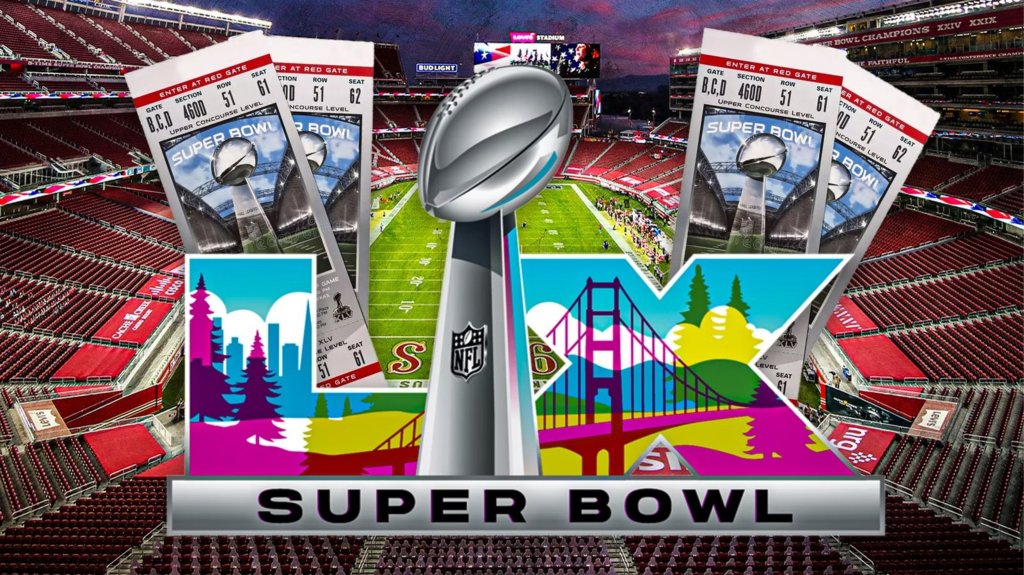
With millions of fans attending, watching, and celebrating nationwide, the Super Bowl leaves many students and workers exhausted heading into Monday morning (Photo Credit: Instagram @caboclearlake).
Pan added, “In America, it basically is a holiday.” People often plan their entire weekend around the game or even call off work to watch it. That sense of connection is powerful, and when an event consistently brings people together on a national scale, it clearly holds national importance.
A federal holiday would not just be about sleeping in—it would remove the stress that hangs over Sunday night. Pan explained that having the following day off would change how people experience the event itself. He said, “[It would be] really nice because you don’t have that looming feeling of ‘I have to do something tomorrow.’”
This pressure to prepare for school or work often cuts celebrations short as people leave early or become preoccupied with deadlines. With a day off, students and workers could fully enjoy the Super Bowl without that constant worry in the back of their minds.
With over 100 million Americans tuning in each year, the Super Bowl has become a shared national experience that families and friends return to annually. Recognizing the Monday after the Super Bowl as a holiday would acknowledge something that already unites millions of Americans year after year. It would improve attendance, decrease stress, and reflect the reality that this is more than just a game; it’s a cultural tradition that has been ingrained in American life for decades.


 Eagle Era
Leave a comment