Student and teacher perspectives on finalizing first-semester grades
By Kaitlyn Liu
Students begin to pile back into hallways, recapping their Winter Breaks. Teachers rush to open their classroom doors as the bell rings at 8:30 A.M., marking the start of a new year and a new semester. Students still face an upcoming, daunting pressure: the finalization of their grades.
In terms of teachers, some wait until those last few days or even hours to put in the last bunch of assignments, while others finalize scores weeks in advance.
Mr. Sharma, who teaches both Living Earth and Anatomy, described his personal experience navigating the last few weeks of the semester. “There is a good academic energy at the end where we’re all just trying to finish up and get across the finish line.”
Despite the pressure of finalizing grades and inboxes full of emails from students and parents alike, Mr. Sharma relies on his consistent grading schedule. “I grade before school; I grade during my prep periods. I really don’t take any work home with me. I’ve just been more efficient over the past 26 years doing this.”
Cassidy Tung (11) admitted that the week when grades are due can be especially overwhelming, especially given her academically rigorous class schedule. “It’s definitely very stressful. I’m sure it is for everybody, but it’s a little comforting knowing that I already took my exams.”
Unlike some of her peers, Tung is not the kind to constantly be refreshing Aeries to check whether her grades have been updated or if new assignments have been put into the gradebook. “By constantly checking, I expect my grades to either go up or down, and if they don’t, I feel pretty disappointed. Instead of being disappointed multiple times, I check my grade only once when they’re finalized, and even if it’s not great, I know I tried my best.”
When it comes to Mr. Sharma’s rounding policy, he doesn’t only look at numerical values, but takes into consideration other factors. “If I have seen a student working hard, taking the notes, working, studying, I have no problem rounding up. They’ve been working at it all semester long.”
Ms. Min, who teaches both AP psychology and US History, includes in her syllabus that she typically doesn’t round students’ grades. “Students have to earn their grades, so where they fall is where they fall.”
For students, the issue of rounding and approaching teachers can feel daunting. Nichelle Rodriguez (12) recalls how, in the past, she had to reach out to teachers for rounding borderline grades. “I normally approach them by first emailing them, and in the case that they don’t respond, I go see them in person. I feel like most of the time, teachers do round.”
The end of the semester also marks the bombardment of emails to teachers, both from concerned parents and students. Mr. Sharma has a few established goals for his responses: “With my emails, I try to be fast, efficient, clear, to the point, and with a resolution.”
Langchen Pan (11) also supports this notion of treating teachers with more patience and leniency. “In general, students need to consider that teachers have a lot of assignments to grade and work to do, and to give them a bit of grace.”
Understanding both teachers and students, Tung believes that although teachers have a lot to grade, students also feel pressure from both themselves and their environment. “I know that teachers’ emails get really flooded during this time, and they’re doing a lot of work to grade all the assignments from the semester. But, at the same time, I know that kids really care about their grades. So, the major factor is just proper communication.”
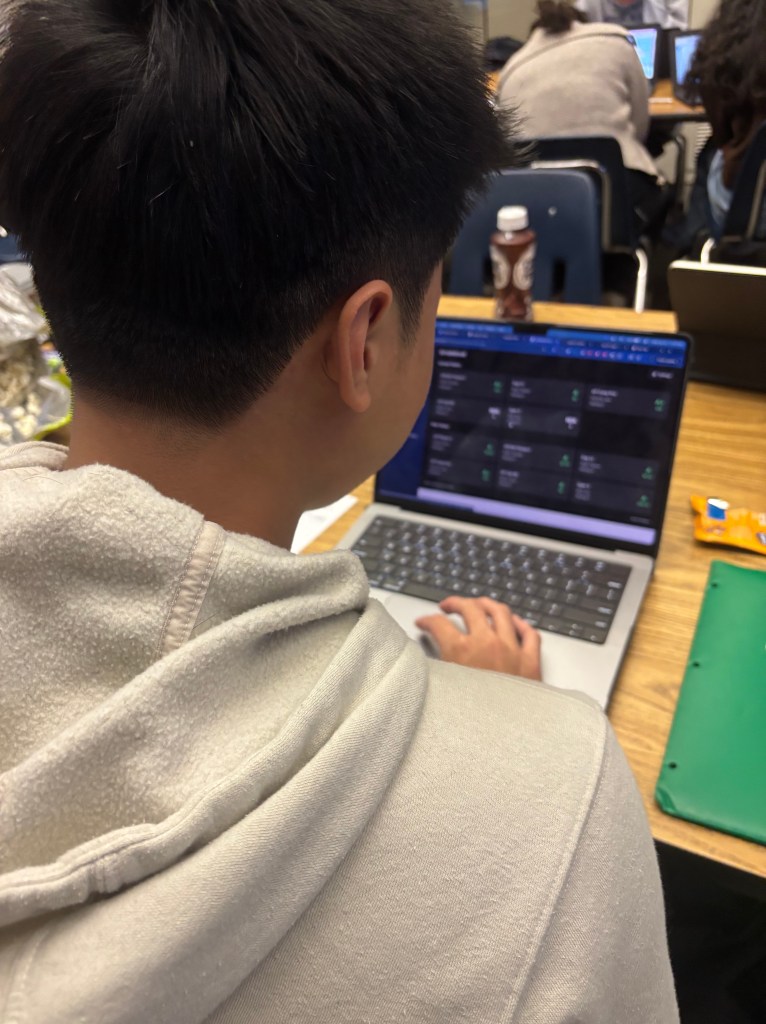
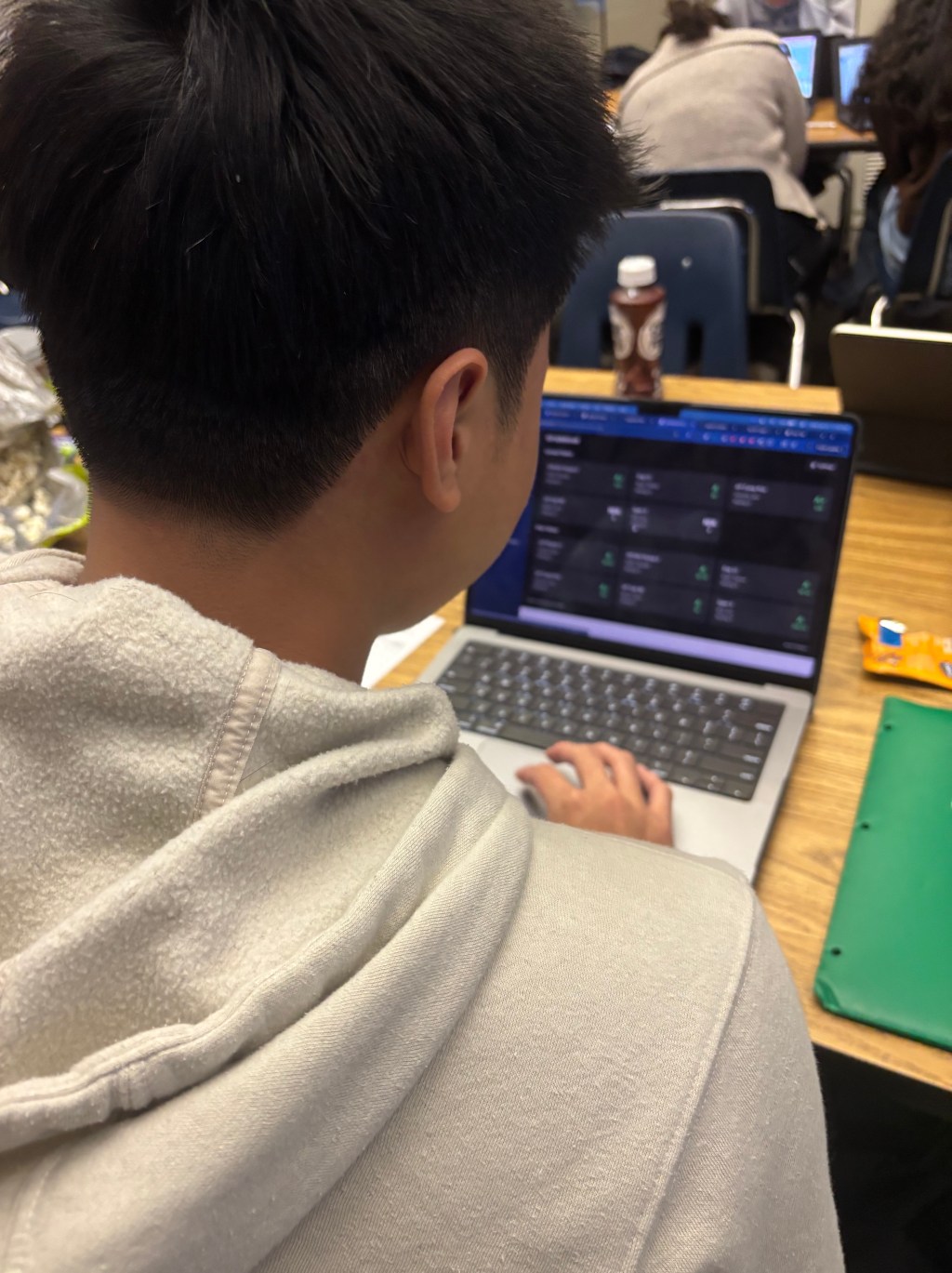
Pan stared at the Aeries page when his first semester grades were finalized (Photo Credit: Kaitlyn Liu (11)).



 Eagle Era
Leave a comment