Celebrities with excessive filler and Botox negatively affect young audiences’ perceptions of beauty
Turn on the television, open Instagram, or sit through a red carpet interview, and the same image will greet you: celebrities with identical high cheekbones, identical sculpted noses, and identical overfilled lips. Wrinkles have vanished, smile lines are missing, and distinct ethnic features soften. The audience is left with a hyper-curated, artificial version of beauty—one that young audiences are expected to internalize as normal.
Cosmetic procedures have exploded in popularity over the last decade. According to the American Society of Plastic Surgeons, minimally invasive procedures such as Botox or fillers have increased by nearly 80% between 2019 and 2024.
At the same time, social media platforms such as TikTok have normalized preventative Botox, encouraging teenagers to fear wrinkles they do not yet have. Young adults now document online cosmetic consultations the way previous generations documented haircuts or skincare routines. As these procedures become frequent, they don’t just change faces—they change expectations.
The greatest concern is what these curated images teach young people about aging. Wrinkles, smile lines, and textured skin—all things that used to be seen as markers of a life fully lived—are now treated as failures. “Aging isn’t even a concept anymore,” Nishitha Gopinath (12) explained. “There are 60-year-olds striving to look like 20-year-olds.”
But the issue extends beyond looking younger. As more celebrities refine their features through fillers and injectables, beauty begins to flatten into sameness. High cheekbones, sculpted noses, and plumped lips repeat across screens. Gopinath described the result as a “copy-paste” standard of beauty. “Everyone who gets filler or Botox wants pretty much the same thing. There’s no diversity anymore,” she said.
This homogenization overwhelmingly favors Eurocentric features such as small noses and light facial structures—subtly framing natural ethnic traits as flaws to be fixed.
“Personally, as a person of color living in the United States, consuming media where most people in TV shows and movies are white with Eurocentric facial features definitely makes me question whether I would be seen as beautiful compared to these people,” said Gopinath.
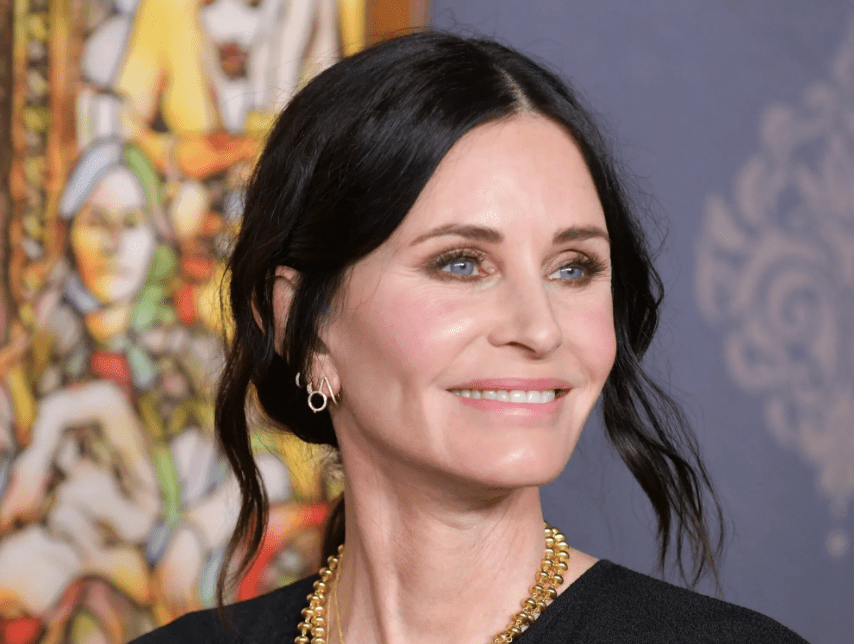
The normalization of Botox and fillers is clear through actresses like Courteney Cox, who has been candid about work she has had done on her face (Photo Credit: Fandom).
A 2022 Dove Self-Esteem Project report found that 1 in 2 girls between the ages of 10 and 17 found idealized content on the Internet to contribute to lower self-esteem. When celebrities change their appearance to fit a narrow ideal, younger audiences absorb the message that beauty is something objective and bought at the cost of individuality.
For youth, these standards have real consequences on their personal perceptions of beauty. “It makes them feel undesirable. No matter how confident they are—when everyone on their screen has the same nose shape—it makes them feel like they’ll never be accepted,” said Gopinath.
This sense of inadequacy doesn’t fade when the screen turns off. It pushes kids to consider cosmetic procedures at younger ages and to equate self-worth with physical modification.
Since these pressures are reinforced daily by social media algorithms, there is no off-switch for this culture. Procedures will continue to advance, and fame will remain tied to appearance. Celebrities are incentivized to maintain standards of beauty because relevance and public attention are determined by beauty standards.
Expecting it to reverse course is unrealistic. It would require dismantling interconnected industries, including entertainment, cosmetic surgery, and advertising, that all benefit from promoting this aesthetic. It would also require audiences to collectively disengage from content that has been engineered to captivate them.
Yet, if young audiences grow up recognizing that what they see is constructed, the power of those images begins to shrink, and they will find that a standard built on erasure of age, ethnicity, and individuality becomes one that is not worth carrying forward.
 Eagle Era
Leave a comment