How Zara Larsson’s new rebrand blends nostalgia with modern pop—proving that the old can feel new again
By Sachi Ladole
For the past few years, pop music has been looking backwards. From vinyl filters on TikTok to constant remakes and throwbacks, nostalgia has become one of the most dominant forces in modern media. Pop star Zara Larsson’s recent rebrand taps directly into that trend—and it’s working.
Larsson, once known for a more polished and mature pop image, has recently shifted toward a brighter, more playful aesthetic inspired by early-2000s imagery. The aesthetic was first associated with her after a viral Lisa-Frank-style dolphin meme that surfaced online in 2024. Larsson has since taken the style on—using it through the rollout of her latest album, Midnight Sun. For many listeners, the appeal isn’t just the music—it’s the feeling that comes with it.
Ms. Leo, a chemistry teacher at AHS, noted that nostalgia often centers around comfort. “For most people, your younger years are the better years that you reminisce about,” she said. While referencing the past can be risky, she argued that it works best when artists honor the original inspiration without copying it outright. “If you do the reference, you have to do it justice,” she explained.
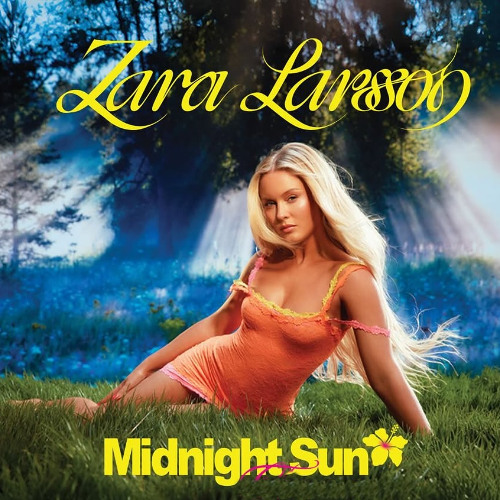
Zara Larsson’s Midnight Sunalbum cover captured the fun, bright energy that her fans have been loving (Photo Credit: Charlie Chops).
Connie Lu (10), a student musician, explained what makes people look to the past. “People are unsatisfied with their lives as is,” she said. “And I think that makes us romanticize the past.” With academic and social pressures, teenagers are at a point in life where things are constantly changing. Nostalgia offers an escape.
This discomfort with the present helps explain why Larsson’s aesthetic resonates even with audiences who never lived through the era she references. Teenagers today may not be able to recall early-2000s aesthetics, but they continue to resonate with the simplicity, color, and playfulness of an older era. “I know it’s logical to move forward because growth is most important and sustainable, but it’s also very uncomfortable,” said Lu.
Beyond basic visuals, Larsson’s success also reflects a shift in how audiences connect with artists. Music today is about more than sound. “Music has always been in two parts—the music and the people who make the music,” said Ms. Leo. In an era dominated by social media, fans are drawn to artists who feel human, not just talented ones.
Sana Arora (12), president of the Songwriting Club, pointed out that there are many factors other than talent that affect the recognition of artists. “Some people just stand out because they have better financial means to get better marketing. Still, she noted that Larsson stands out as an exception to this. “I don’t think that for Zara Larsson,” she said, explaining that her rebrand feels genuine rather than manufactured.
Part of what makes Larsson’s resurgence different is the sense of community she has created. During concerts, Larsson often brings audience members onto stage to perform with her during the song “Lush Life.” Through memorable dances and these shared moments, her nostalgic imagery doesn’t just reference the past but creates a collective experience. Arora stressed, “The reason why that stands out right now is because she is making it a community event. People are drawn to that sense of community. With everything going on in the world, we have less and less of a sense of community, so people are turning towards the arts for it.”

 Eagle Era
Leave a comment