The Southern Sierra Miwuk Nation reclaimed land after being displaced for around 175 years
The Southern Sierra Miwuk Nation tribe reclaimed 900 acres of land in Yosemite on December 1st. Their ancestors were previously forcibly removed during the gold rush here in California.
According to Outside Online, an online publication regarding the outdoors, the tribal secretary Tara Fooch-Moore said, “This transfer reunites our people to this unique area of our homeland after 175 years of displacement.” Native Americans have been struggling with land displacement since American settlers first started westward expansion.
The land is located on the edge of the Sierra National Forest and Yosemite. A key part of the land is the Henness Ridge, a place where old traditions used to take place and where prey migrate through. This brings the Native parts of their culture back, with surroundings more similar to the past. It is also a start in repaying for the consequences of colonization.
The California Natural Resources Agency confirmed that they are planning to support the physical features and promote biodiversity on the land. The goal is to make it as similar to how the land used to be as possible. The Southern Sierra Miwuk Nation now has access to a platform where they can teach about indigenous culture, since the land is going to be popular because of its proximity to Yosemite.
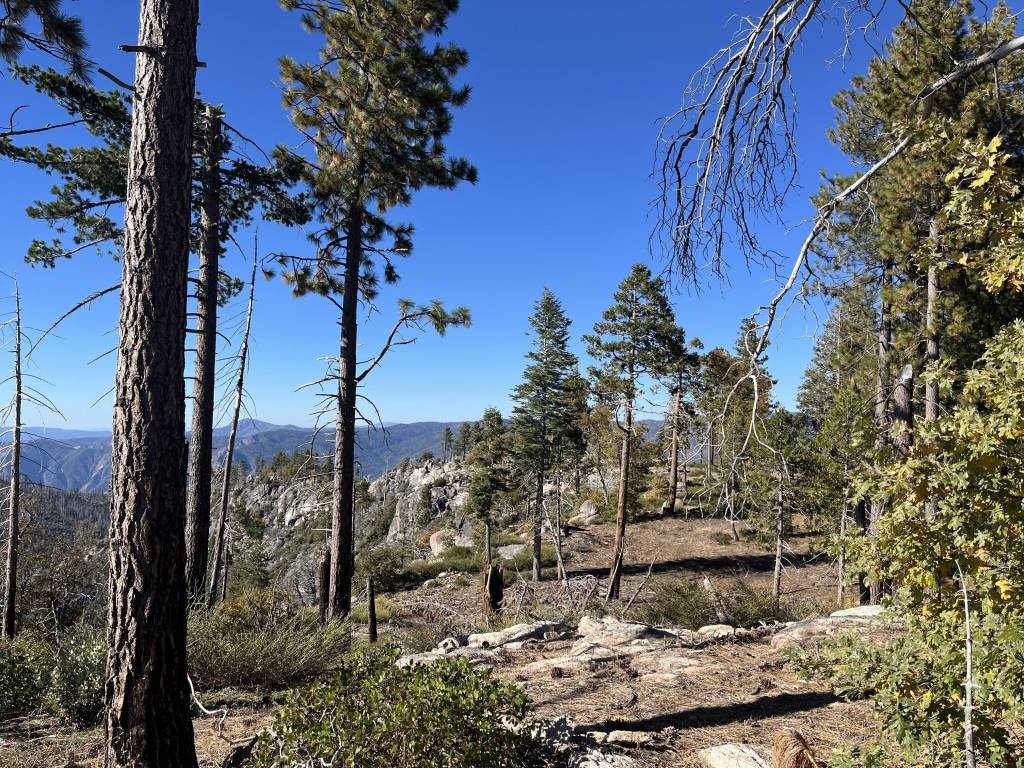
The Henness Ridge is an important part of the land reclaimed by the Southern Sierra Miwuk Nation. It has old migrating patterns of prey that the tribe’s ancestors ate. (Photo Credit: Sierra News Online)
The Tribal Council Chair Sandra Chapman talked about the land being “a sanctuary for our people” in a press release sent to Outside. She explained how it will bring their community closer together and provide a place for them to resume previous traditions.
So far, the Southern Sierra Miwuk Nation has not been federally recognized. To be federally recognized is to have a government-to-government relationship with the federal government. This allows the tribe to partially self-govern and have access to resources set aside for Native Americans. The tribe has been campaigning for federal recognition since 1982.
In October of this year, another tribe called the Tula River Indiansreclaimed 17,000 acres of land between the Sierra Nevada foothills and the Central Valley region. This tribe is federally recognized and received a few more benefits when the land was returned.
The government agreed to reintroduce tule elk, restore access to traditional medicine and foods, and support the tribe for future generations. Under Gavin Newsom, California has a goal to partner with tribes to return and conserve 30% of total land and coastal waters by 2030. According to the Governor’s website, the chairman of the tribe, Leister “Shine” R. Nieto Jr., was very pleased with the land. He explained how they envision the land being used for traditional life and how they are embracing their culture.
The difference between the treatment of federally recognized versus unrecognized tribes is apparent. Unrecognized tribes do not have access to proper healthcare and sometimes food. Returning land is a step in the right direction in terms of the national conversation, and further efforts will contribute to an increase in the quality of life for Native American tribes.



 Eagle Era
Leave a comment