Making an art portfolio is one of the most stressful parts of an art school application
Staff Writer
As decisions for art schools are starting to roll out, artists are glued to their emails hoping for an acceptance letter to pursue their art career. Art schools are determined to gather the best group of students, filled with talented applications that are mainly judged by the most important piece of every application—the portfolio. An art portfolio is mainly composed of work that represents the applicant’s talent and creativity, previous work, and sketches. Though it does not seem complicated, it is one of the most stressful parts of an art school application, where applicants have to polish, organize, and hand-pick their best work and compete for admission.
An art portfolio must not only highlight the quality of the artist’s work, but tell a story as well, both being factors art schools look for. Katie Chen, a senior who applied to ArtCenter and many other schools pursuing Concept Art and Visual Development in Games, said, “The most important thing I focus on is storytelling and worldbuilding that holds the portfolio together. You’re inserting yourself into the world of this game or film and thinking in the way that this world works.”
Concept art requires blending characters with a creative narrative. “When I create characters, I make sure to add as much depth to their design, from their basic pose to the tiniest detail in their facial expressions,” Chen said.
Picking the works to add to a portfolio can be difficult, as artists want to make sure the portfolio is narrowed down to highlight work that represents their skills best. “The most stressful part about setting up my portfolio was balancing quantity and quality. You can either add lots of content or focus on the quality for less content. I forced myself to leave each piece at around 90 percent, then go back to add the extra 10 percent to each piece when everything was done,” Chen said.
The presence of a clear narrative allows art schools to develop an idea of how an applicant mixes visuals and technical talent with ideas and writing. Nida Shaji, a senior who applied to Laguna College of Art and Design and many other schools for animation, said, “I struggled with picking a story idea, creating the character designs, and creating the environment. I did get help from my art teachers with the process of creating a proper character design and solid story. It was uncomfortable when I had to start, but I slowly got the hang of it.”
The effort for creating an art portfolio can either be a success or a failure, but ultimately, it trains artists to practice portfolio-building. Even if an artist is not satisfied with their outcome, they can learn from their issues and improve the portfolio for another school. It even opens a new chance to communicate with other artists for critical feedback for their portfolio and apply to an art school as a transfer student. In terms of creating a strong portfolio, Chen said, “Give yourself at least a month before the official deadline and set regular deadlines for yourself. It doesn’t have to be the prettiest thing, as long as you are getting your ideas out, it will work out. For those going to art school, set up portfolio reviews with admissions counselors, they will really help you gear your portfolio towards their school. To all artists, you will face art block, so move on to something else and let your imagination run free!”
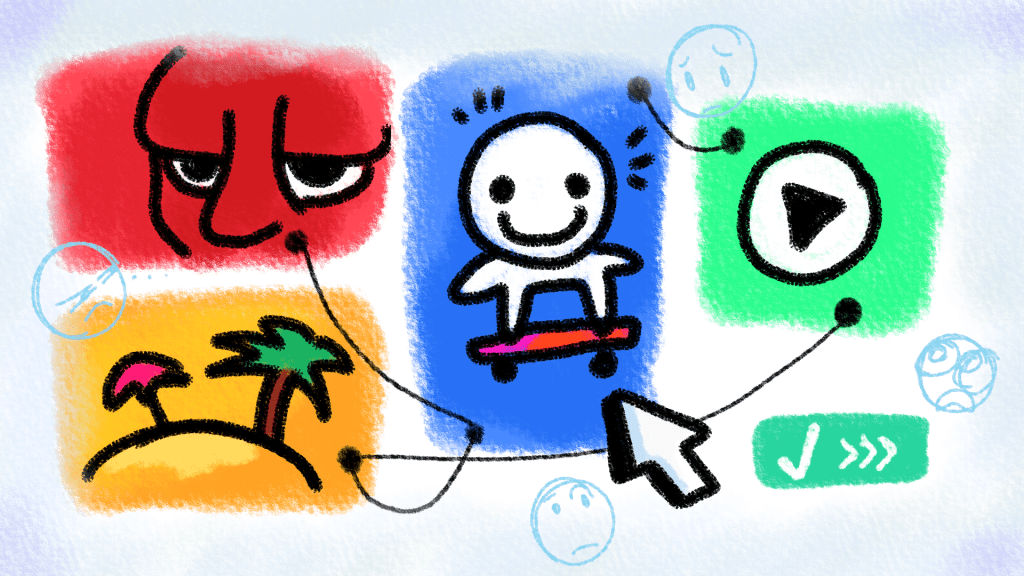
Building a portfolio can have a lot of pressure and stress, especially with little time. Even with all the stressful factors, focusing on yourself and your artistic expression is the most important part. “For a lot of time during the making of the portfolio I would focus a lot on the idea of drawing rather than actually being present and drawing. Being present is the best thing you can do for yourself,” Liao said (Art Credit: Kingston Lo (12)).

 Eagle Era
Leave a comment