The reversal of protections for illegal immigrants has created uncertainty for schools and students
Staff Writer
For more than a decade, schools were seen as off-limits for federal immigration enforcement. Acting as safe havens for undocumented immigrants, schools provided support and a welcoming environment for those with unclear immigration status. This all changed on January 20th as President Trump took the oath of office.
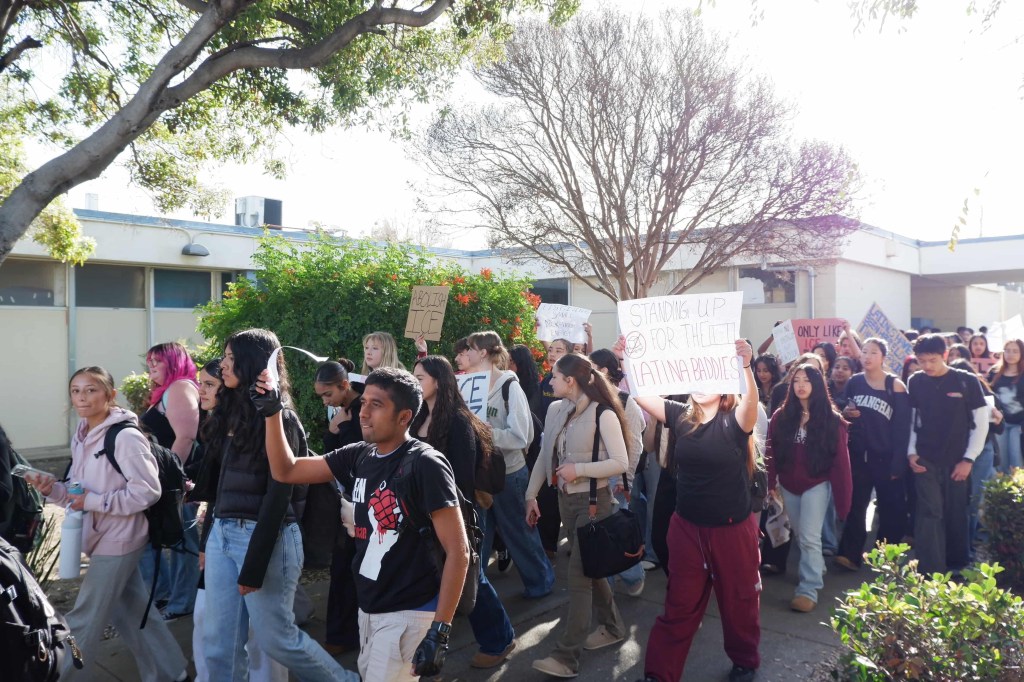
On his first day in office, President Trump rescinded a Biden-era policy that restricted Immigration and Customs Enforcement (ICE) from conducting raids and other immigration enforcement actions in “sensitive locations” like schools, churches, and hospitals. With this policy reversal, undocumented students and their families face a new reality.
Spojmie Nasiri, a veteran immigration lawyer, said, “The reversal now allows ICE to go wherever they need to go. In California, the schools have put protocols in place where they have protection for students.”
FUSD, like many school districts across the country, has faced the question of if and how to adjust policy regarding students without legal status in the US. According to Patty Sandoval, the executive assistant to the superintendent, “FUSD remains committed to fostering a safe and inclusive learning environment for all students, regardless of their immigration status.” Sandoval said this involves the district giving out red cards, notecards that inform immigrants of their legal rights, designating schools a “safe haven,” a policy approved by the board, stating that the district will provide equal opportunities to all students regardless of immigration status.
Enforcement of immigration-related issues is left to federal officials rather than city departments, which in California, typically maintain a softer stance towards illegal immigration. In a message sent by the Fremont Police Chief to all the patrol staff, the chief said, “Our department will not obstruct or hinder federal official enforcement actions. Fremont Police Department will not use agency or department money or personnel to investigate, interrogate, detain, detect, or arrest personnel for immigration enforcement purposes.”
While schools and staff focus on creating safe learning environments, this new uncertainty extends beyond the classroom, with educational experts working to understand and determine the long-term impacts of Trump’s action.
“There’s a lot of evidence about the effects of being in restrictive, anti-immigrant contexts. [They] are generally associated with worse outcomes for kids across a host of measures, from lower birth weights to less likelihood to access health care or early childhood education to which they are eligible,” said Dr. Sattin-Bajaj, an Associate Professor in the Education Department at UC Santa Barbara. “Having a parent who’s been deported has the most significant negative consequences for things like test scores, likelihood of repeating a grade, high school dropout rates.”
Jorge, an undocumented student at AHS (who the Eagle Era will refer to with a pseudonym to protect his identity), said that the lack of ICE activity in Fremont schools—compared to activity in Los Angeles or San Jose—has brought him a sense of relief. He said, “My parents brought us here for a better life—better life, better opportunities, vacation.”
But as ICE activity at school becomes more plausible, he said he’s grappling with a new sense of fear. “It’s bad. The struggle to get here just for it to be taken away. I understand where they are coming from, but we just want a better education.”


 Eagle Era
Leave a comment