Investigating ties between workload, mental health, and absenteeism
Staff Writer
On September 25, American held a virtual workshop entitled, “Attendance Matters” for parents, encouraging them to consider the importance of attendance and work to make sure their children show up to school every day. The workshop revealed that the chronic absenteeism rate in FUSD is 13.1%, significantly surpassing the average rate of 5-7% in schools in California. In their handbook for parents and students, the district administration established regulated causes of absences as “illness,” “health appointments,” or “justifi-able personal reasons.” In the workshop, it is emphasized that “being late [or absent] can make a student stressed and confused and unprepared for class.” But what if that relationship is actually occurring in reverse?
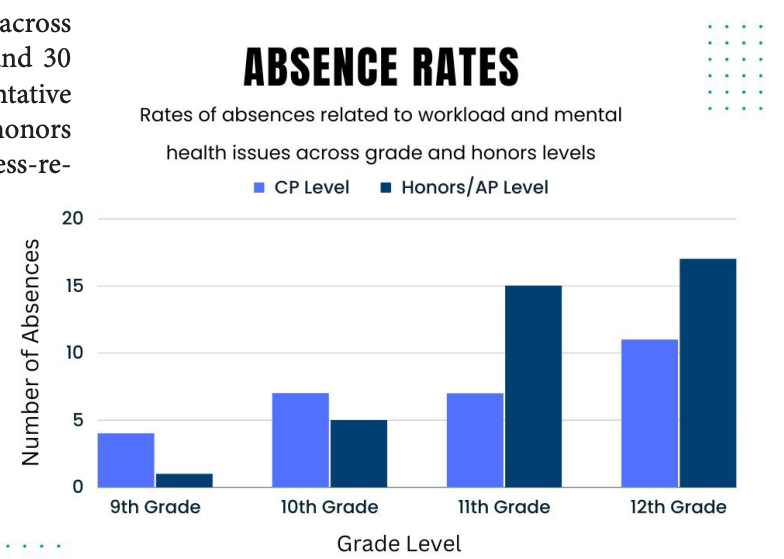
Surveys conducted across English classes of around 30 students, each representative of various grade and honors levels, revealed this stress-related connection.
Amongst a group of about 60 fresh-men, half being in a CP level English class and the other in an Honors level class, despite over a third taking more than one accelerated class, 26% of students who have taken a day off this year were absent due to stress or workload related issues. Between similarly sized sophomore CP and honors-level English classes, results show that around 51% of students are taking more than one advanced course. Out of the sophomores who were surveyed, only 30% revealed that they have been absent to catch up on work or take a break for their mental health.
These numbers drastically increase amongst the upper-classmen. In a CP level 11th grade English class, with 35% of students taking more than one AP or advanced class, out of the students who have been absent at some point this school year, 53% of students accredited their absences to stress and workload levels. In an AP Language and Composition class, it was shown that 74% of students are taking more than one AP or accelerated class. Of the number of students who have been absent this year thus far, 100% of students accredited their absence to catching up on work, studying for a test, or taking a break for mental health purposes.
Similarly, amongst both a CP 12th grade English class and an AP Literature and Composition class, with 71% of students taking one or more AP or accelerated classes, 83% reported that they felt either senior or junior year is or was the most stressful year of their high school career. 100% of students who have taken absences this year revealed that it was due to stress of studying, homework, or mental health struggles.
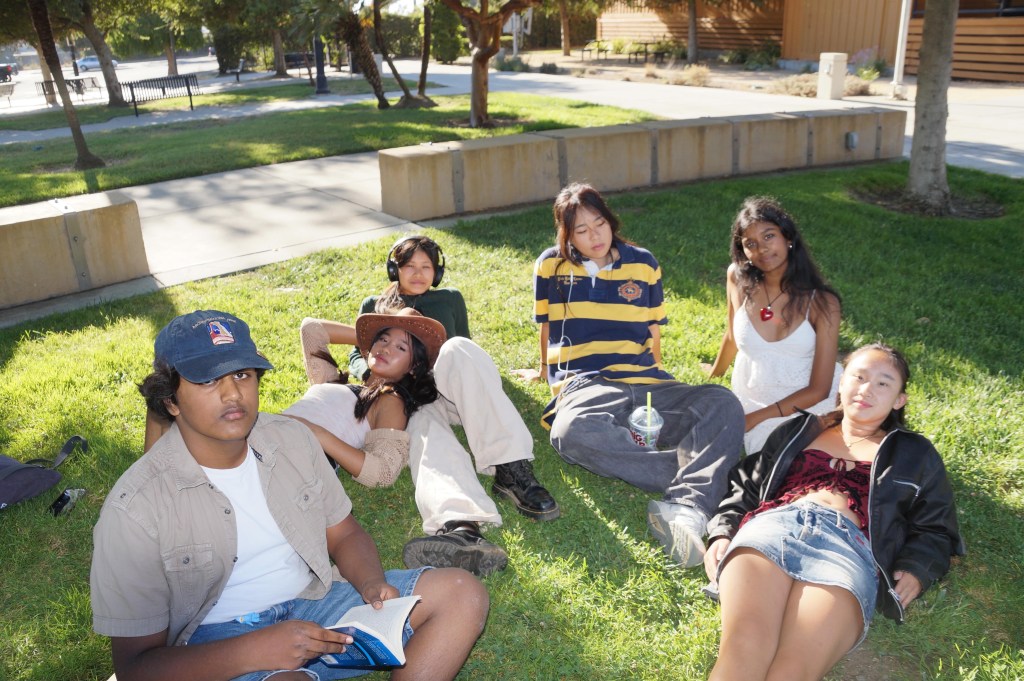
Having attended online courses could be correlated to the strategy behind students missing classes. The decline in mental health and increased availability of time during online school may have raised students’ awareness of which classes are worth being present for and productive in, and which ones involve busy work or squandered class time. As reflected by our own student body, with academic difficulty increasing with the progression of grade levels, more challenging advanced courses being available only to upperclassmen, and having to balance additional social lives and extracurriculars, the effects take a toll on students’ attendance as well.
This study has called into question whether student absences align with regulatory excused absences, and, more importantly, whether the school can acknowledge the correlation between declining mental health and rising absent rates. While the district is quick to highlight the repercussions – stress and lagging academically – that high absent rates will have on students’ education and academic success, they fail to acknowledge that, more often than not, such repercussions are the exact reason for these absences.


 Eagle Era
Leave a comment